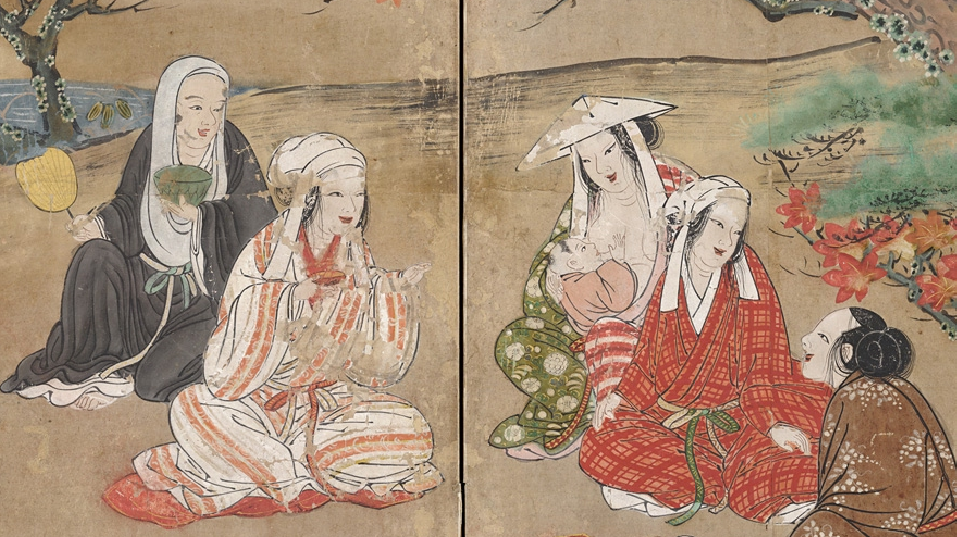
By the 16th century, Kosode were Japanese robes worn by all social classes and genders, with variations in fabric, color, and length depending on various social factors. Precursors to the Edo-period kimono, they are named for their sleeve length from the top of the arm to the pocket: ko (small) + sode (sleeve). The kosode in this tutorial are ankle-length, with wrist-length sleeves. This same pattern may be used to create additional garments called uchikake, which may be worn as an outer coat or draped over the head and shoulders for shade.
Taught at Elfsea Baronial College 2024
Leave a Reply